Custom Dyno Tuning in Mount Vernon, OH: Why We Only Tune Our Own Builds
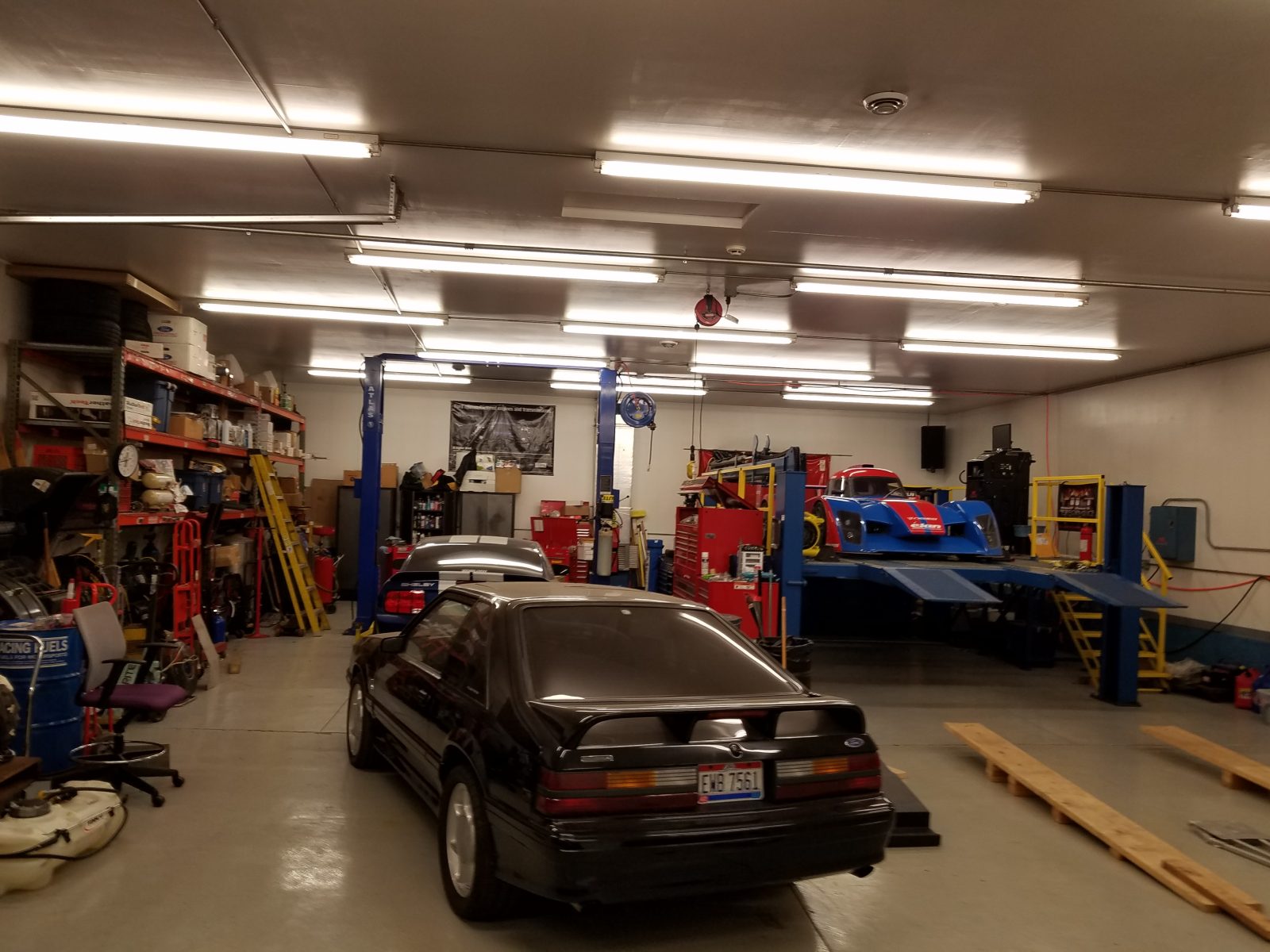
At Thrill Ride Unlimited in Mount Vernon, Ohio, custom dyno tuning is included with the builds and repairs we do, so we can stand behind the whole job. Here's why, and how to book a baseline dyno pull or hourly dyno rental instead.
If you have been searching for custom dyno tuning in Mount Vernon or Central Ohio, you may have noticed our policy: at Thrill Ride Unlimited, we only do custom dyno tuning on vehicles we've built or repaired in our shop.
We know that can be frustrating if you already put hard work into a project at home or had another shop bolt on parts. However, this policy is not about turning people away—it is about protecting your engine, keeping our technicians safe, and refusing to compromise on the final result.
Whether you drive a late-model domestic muscle car, a truck, or a custom build running a standalone aftermarket ECU, a dyno tune is only as reliable as the mechanical and electrical work underneath it. Here is why we take this approach and how it protects your investment.
A Custom Tune Cannot Fix Mechanical or Wiring Issues
A common misconception in performance building is that dyno tuning is a magic fix. In reality, calibration is the final step that brings a properly built combination together. You cannot "tune around" a hardware problem.
When an outside build rolls onto the rollers without our team having gone through it first, we routinely run into hidden issues that make safe, accurate tuning impossible:
- Unverified Fuel and Air Hardware: Unknown injector flow data, mismatched fuel pumps, or faulty oxygen sensors make dialing in air-fuel ratios a guessing game.
- Boost and Vacuum Leaks: Loose couplers, cracked hoses, or poorly sealed intake tracts skew fuel trims and prevent consistent power pulls.
- Sketchy Wiring and Grounds: Standalone aftermarket ECUs and piggyback systems rely on clean power, dedicated grounds, and proper sensor shielding. Loose crimps or voltage drops cause erratic readings under load.
- Tired Mechanical Components: Weak valve springs, stretched timing components, worn spark plugs, or low compression show up fast at wide-open throttle.
When we install the supercharger, turbo kit, fuel system, or standalone ECU in our shop, we know every part number, every torque spec, and every wire routing from start to finish.
Dyno Testing Puts Real Stress on a Vehicle
Strap-down chassis dyno tuning simulates heavy real-world load at high RPM. If a car arrives with basic maintenance or safety issues, putting it under full load is a risk to both your vehicle and our facility.
Common issues we see on uninspected outside cars include:
- Old or dry-rotted tires, or tires not rated for the speed, that can separate at high wheel speeds
- Active oil, coolant, or fuel leaks that create fire hazards and contaminate the dyno rollers
- Engines burning oil or running low on fluids before the first pull even begins
- Inconsistent workmanship on exhaust hangers, driveshafts, or suspension components that need to stay rock-solid when strapped down
At Thrill Ride Unlimited, we take a restoration-minded approach to every vehicle that comes into the shop. When we work our way into an area of your car, we look at the hoses, wiring and hardware around it, not just the one part. If something isn't right, we'll tell you what we found and what your options are.
Protecting Your Budget and Your Satisfaction
Nobody wants to pay for dyno time only to have the session cut short twenty minutes in because of a boost leak, a misfire, or a wiring fault. Even worse, nobody wants a car that makes a good peak number on paper while suffering from poor drivability, hot-start issues, or part-throttle hesitation on the street.
Because the tune is what ties the whole build together, if we cannot bring everything together to the standard we expect, we will not put our name on it. Keeping builds and custom tuning under one roof means:
- One team is accountable from parts selection and installation to the final dyno sheet.
- You do not waste money paying hourly rates to troubleshoot someone else's installation mistakes on the dyno.
- You leave with confidence, knowing your car was built, inspected, and calibrated as a complete package.
What If You Already Started Your Build Elsewhere?
Custom tuning can be included with the builds and repairs we do, so we can stand behind the entire job, from the parts to the final pull. If your build was started somewhere else, give us a call. We can talk through finishing the work here, and once it's built or repaired in our shop, tuning can be part of the job.
Just want to see what your car puts down? Book a baseline dyno pull: we measure it as-is, with no changes. Doing your own tuning or testing? Hourly dyno rental lets you make changes between pulls. Both are available for safe, leak-free vehicles. See our Dyno page for details.
Ready to Plan Your Build the Right Way?
If you are planning a supercharger, turbo, fuel system, or standalone ECU build in Mount Vernon or anywhere in Central Ohio, let's talk before you turn the first wrench. We will help you choose parts that actually work together, install them cleanly in our shop, and finish the job on our chassis dyno.
- Schedule a Build Consultation: Contact Thrill Ride Unlimited
- Call the Shop: (740) 501-1499
- Visit Us: 8303 Columbus Rd, Mt. Vernon, OH 43050
Frequently Asked Questions
Can I bring my car to Thrill Ride Unlimited just for a horsepower pull?
Yes. Custom tuning is only offered with the builds and repairs we do, but baseline dyno pulls and hourly dyno rental can be booked for safe, leak-free vehicles. A waiver signed by the vehicle owner or their legal representative is required. Call (740) 501-1499 or book an appointment to set a time.
What types of vehicles do you tune on the dyno?
Late-model domestic performance cars, trucks, and custom builds running standalone aftermarket ECUs.
Why can't a tuner just adjust the fuel map to fix a boost leak or misfire?
Tuning software adjusts fuel, spark, and boost targets based on sensor feedback. If air is escaping after a sensor, fuel pressure is dropping, or ignition components are weak, changing numbers in the ECU masks the symptom rather than fixing the mechanical failure—putting your engine at risk.